
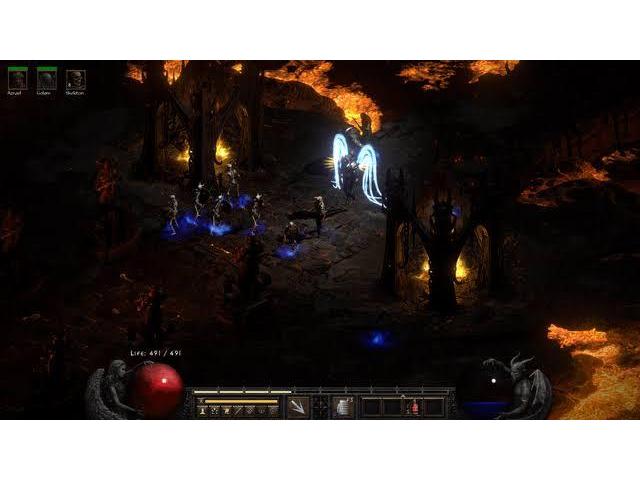
Season changes in Diablo 2: Resurrected are less about flashy announcements than about the quiet decisions players make before the first monster falls. A new ladder creates a temporary economy, resets familiar routines, and gives veterans another reason to chase efficient gear, including D2R Ladder Items when they want to experiment with a build without waiting weeks for supplies.
The appeal of a fresh season comes from starting with almost nothing. Every rune matters, useful rares feel valuable, and a basic four-socket weapon can determine whether a character struggles or cruises through Nightmare. That early uncertainty remains one of the game's strongest advantages.
The First Days Set the Tone
During the opening days, speed is important, but reckless rushing can create problems later. Players who focus on practical upgrades often progress more smoothly than those who chase an ideal endgame setup immediately. A reliable weapon, adequate resistances, and movement speed usually provide more comfort than a single expensive item.
Class choice also shapes the early economy. Sorceresses remain popular because teleport dramatically improves farming routes, while Paladins and Amazons can become powerful once their core equipment is assembled. Summon Necromancers offer a different experience, trading speed for safety and requiring fewer perfect items to clear difficult areas.
Why Runewords Still Drive the Economy
Runewords continue to influence nearly every stage of a ladder season. Stealth can carry a caster through the early game, Spirit offers exceptional value for its cost, and Insight changes how many characters manage mana. These recipes are not merely bonuses; they define the rhythm of progression.
The market becomes more interesting when players begin finding the bases and runes needed for popular combinations. A plain item with the correct sockets may be worth more than a visually impressive rare. Understanding that distinction helps newcomers avoid selling useful materials too cheaply and gives experienced traders a steady source of income.
Farming With a Realistic Plan
Efficient farming does not always mean repeating the same location as quickly as possible. The best route depends on a character's damage type, survivability, and ability to handle immunities. Countess runs are useful for early rune hunting, while later characters may prefer areas with strong monster density and valuable item drops.
Variety also protects the season from becoming a chore. Switching between bosses, level eighty-five areas, and key-hunting keeps the routine manageable. Players who monitor their clear times and deaths can gradually improve without turning every session into a spreadsheet exercise.
The Social Side of a Temporary Season
Ladder resets are at their best when players cooperate. A small group can divide class roles, share early runes, and clear quests much faster than isolated characters. Even casual trading creates memorable moments, especially when a modest early find solves another player's immediate problem.
At the same time, the temporary nature of the ladder encourages experimentation. A build that would seem inefficient on permanent characters can be tested for several months, then abandoned without regret. That freedom is why the seasonal format remains relevant despite the game's age.
Diablo 2: Resurrected still succeeds because progress feels earned, even when players use outside resources to shape their plans. Those preparing a specific build may choose to buy D2R Runewords carefully, but the most satisfying seasons still leave room for discovery, adaptation, and a few lucky drops. U4GM provides complete D2R items for the latest season with 24/7 support. Get rare runes like Ber, Jah, Enigma, Grief, and powerful charms with fast and secure delivery.
Job details
| Undefined |




0 Comment