
Description
In the world of youth athletics, the environment in which a child learns is just as important as what they are learning. Many parents find that in large, crowded leagues, their child often gets lost in the shuffle. This is why a specialized approach with limited enrollment is so effective. When the ratio of coaches to students is optimized, the quality of instruction and the child's enjoyment both increase exponentially.
Why Personalized Attention Matters in a Kids Soccer Program
Enrolling your child in a kids soccer program with small groups allows for a tailored developmental experience. For children ages 1.5 to 9, the learning curve can vary wildly. Some kids are ready to sprint and kick immediately, while others need a bit more encouragement to step onto the turf. Small groups allow coaches to meet each child exactly where they are.
High Engagement and More Touches
The most important factor in developing soccer skills is "touches on the ball." In a small group, every child has their own ball and spends the majority of the class interacting with it. There is no standing in long lines waiting for a turn. This constant engagement keeps heart rates up and ensures that the physical benefits of the class are maximized during every session.
Reducing Overstimulation and Anxiety
For many young children, loud and crowded environments can be overwhelming. A smaller, more intimate class setting reduces this overstimulation, allowing children to focus on the coach and the task at hand. This is particularly beneficial for children who may be a bit shy or those who are trying a structured sport for the very first time.
Faster Skill Mastery through Instant Feedback
In a small group, the coach can see every move a child makes. If a child is struggling with a specific foot movement or a passing technique, the coach can step in immediately to offer a gentle correction. This instant feedback loop prevents the formation of bad habits and allows children to master new skills much more quickly than they would in a larger, less supervised setting.
Tailored Instruction in Soccer Classes for Toddlers
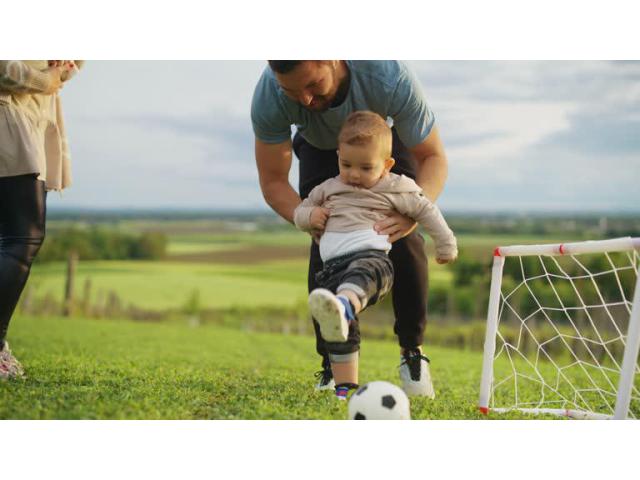
The need for small groups is even more critical when looking at soccer classes for toddlers. Between the ages of 1.5 and 3, children require high levels of supervision and emotional support. A toddler class with too many participants can quickly become chaotic, but a small group remains a focused and productive learning environment.
Conclusion
Small class sizes are not just a luxury; they are a necessity for effective early childhood sports instruction. By choosing a program that limits enrollment, you are ensuring your child gets the touches, the feedback, and the emotional support they need to thrive. From the toddler years to the edge of double digits, the personalized touch of a small group makes all the difference in a child’s soccer journey.


0 Comment