
Description
Every homeowner eventually faces the same crossroads. The roof has a problem, and the contractor is talking about either a repair or a replacement. One is relatively modest, the other is a major investment. How do you know which is truly necessary? The answer depends on age, condition, extent of damage, and your long-term plans. Let's walk through the factors so you can approach the decision with clarity instead of anxiety.
When Repair Is the Smart Choice
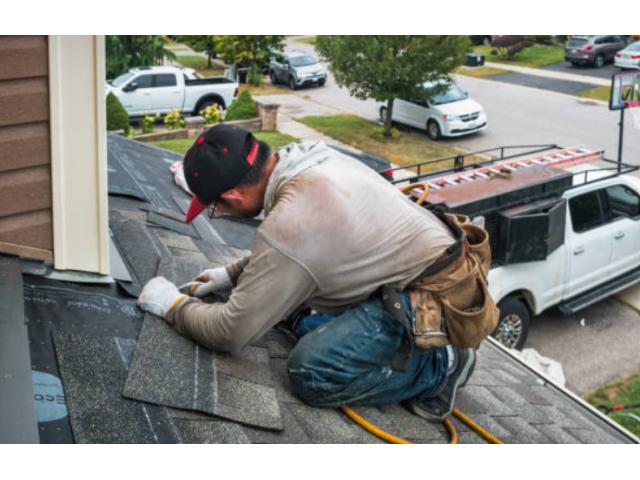
Repairs make sense when the damage is limited and the rest of the roof is in good shape. A few missing or cracked shingles after a windstorm, a small leak around a vent, or a patch of damaged flashing are classic examples. In these situations, fixing the specific problem restores protection without the cost of a full overhaul.
Age matters, too. If your roof is relatively young and has been well maintained, targeted repairs can keep it performing for years. Even a roof in its middle years can benefit from timely fixes that prevent small issues from spreading.
A good repair also depends on the underlying structure being sound. If the decking is dry and solid and the surrounding shingles are still flexible and well sealed, replacing a small area works well. The goal is to match materials and techniques so the repaired section blends in and performs just like the original.
Signs It May Be Time to Replace
Sometimes repair is simply putting a bandage on a bigger problem. If your roof is approaching the end of its expected life, with widespread curling, cracking, or granule loss, replacement is usually more economical in the long run. Frequent leaks in multiple locations are another strong indicator.
Structural concerns shift the equation as well. Sagging sections, extensive rot in the decking, or persistent moisture in the attic suggest the problem goes beyond the surface. Spending money repeatedly on patches in these cases can add up to more than a replacement would have cost.
Compare patterns, not just individual incidents. One leak after a storm is a repair. Several leaks over a couple of years, combined with visible wear everywhere, is a trend. An honest professional will walk you through what they see and help you weigh the trade-offs rather than pushing you toward the bigger job.
Making the Decision With Confidence
Start with a thorough inspection from a qualified contractor. Ask them to show you photos of problem areas and explain how they reached their recommendation. A trustworthy professional will happily provide both options with clear pricing, so you can compare cost, longevity, and warranty coverage.
Think about your plans, too. If you intend to stay in the home for many years, investing in a new roof may offer peace of mind and energy efficiency benefits. If you plan to sell soon, targeted repairs that address visible issues can make the home more appealing without a major expenditure.
When you're evaluating providers of roofing repair in Seattle, WA, look for one that offers honest assessments, transparent estimates, and the flexibility to handle related work. A contractor who can also address damaged drywall, trim, and other general repairs makes the whole process smoother, especially if water has already caused interior damage.
Conclusion
Choosing between repair and replacement isn't always easy, but it becomes much clearer with solid information. Limited damage on an otherwise healthy roof calls for repair, while widespread wear, age, and structural problems point toward replacement. Get a thorough inspection, ask questions, and consider your long-term plans. With the right professional guidance, you can make a confident decision that protects your home and your budget for years to come.
https://handyandyrestoreandrepair.com/services/roofing/








0 Comment