
Description
Nearly every industry today feels crowded, from software to skincare to specialty foods, leaving entrepreneurs wondering how to stand out when it seems like every idea has already been done. The answer rarely lies in creating something entirely unprecedented, it lies in genuine, well executed differentiation. A small business crafting a chili pepper sauce enters a market already filled with condiment options, yet the right combination of ingredients, story, and positioning can still carve out real space. This article explores practical ways businesses can differentiate themselves even in the most saturated markets.
Why Differentiation Matters More Than Innovation Alone
Many entrepreneurs assume they need a completely novel idea to succeed, but most successful businesses actually compete in existing categories, winning through better execution, positioning, or connection with a specific audience rather than pure invention. Differentiation does not require reinventing a product category, it requires identifying a genuine gap, whether that is an underserved audience, an unmet need within an existing category, or simply a level of quality and care competitors are not delivering. In saturated markets, customers are not looking for something entirely new, they are looking for a reason to choose one option over the many similar alternatives available.
Strategies for Standing Out in a Crowded Market
Effective differentiation often starts with narrowing focus rather than broadening it, since trying to appeal to everyone in a saturated market usually results in blending in rather than standing out. Businesses should identify what they can genuinely do better or differently than competitors, whether that is ingredient quality, customer service, sustainability, or a distinctive brand voice, and lean into that difference consistently across every touchpoint. Storytelling plays a major role here too, since two similar products can feel completely different to customers based on the story and values behind them. Consistency matters as much as the differentiator itself, since a unique positioning only works if customers experience it reliably every time they interact with the brand.
Differentiation Done Well in Specialty Food
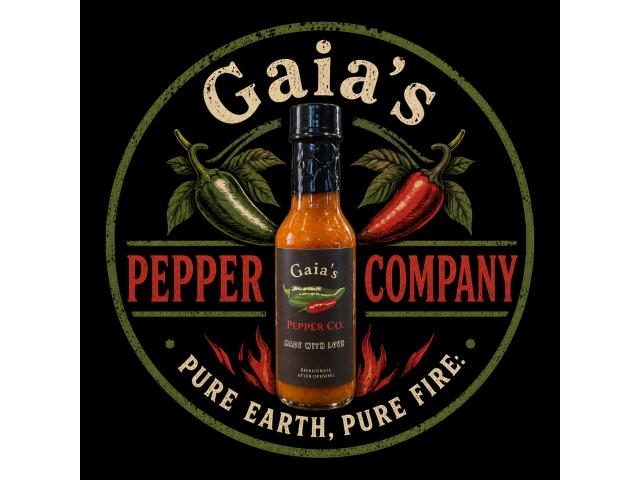
The hot sauce and condiment market offers a clear example of differentiation in a saturated category. A company built around a chili pepper sauce made with fresh, natural ingredients and small batch craftsmanship differentiates itself not by inventing a new product category, but by executing an existing one with more care and transparency than mass produced competitors. That combination of quality and authentic storytelling gives customers a genuine reason to choose it over cheaper, more generic alternatives on the same shelf. This same principle applies across industries, from boutique consulting firms differentiating through specialized expertise, to apparel brands standing out through sustainable materials and transparent manufacturing practices.
The Future of Differentiation in Business
As markets continue to grow more crowded across nearly every category, genuine differentiation will likely become even more valuable than aggressive pricing or broad marketing spend. Consumers are increasingly rewarding businesses that stand for something specific rather than trying to appeal to everyone, making focused positioning a stronger long term strategy than broad appeal. Looking ahead, businesses willing to commit fully to a clear point of differentiation, rather than hedging with generic positioning, will likely build stronger, more defensible brands.
Conclusion
Standing out in a saturated market rarely requires an entirely new idea, it requires genuine, consistent differentiation executed with care. Whether it is a thoughtfully crafted chili pepper sauce built on quality ingredients or a service business known for a distinctive approach, businesses that commit clearly to what makes them different tend to build stronger, more memorable brands than those trying to blend in with the crowd.
Why Differentiation Matters More Than Innovation Alone
Many entrepreneurs assume they need a completely novel idea to succeed, but most successful businesses actually compete in existing categories, winning through better execution, positioning, or connection with a specific audience rather than pure invention. Differentiation does not require reinventing a product category, it requires identifying a genuine gap, whether that is an underserved audience, an unmet need within an existing category, or simply a level of quality and care competitors are not delivering. In saturated markets, customers are not looking for something entirely new, they are looking for a reason to choose one option over the many similar alternatives available.
Strategies for Standing Out in a Crowded Market
Effective differentiation often starts with narrowing focus rather than broadening it, since trying to appeal to everyone in a saturated market usually results in blending in rather than standing out. Businesses should identify what they can genuinely do better or differently than competitors, whether that is ingredient quality, customer service, sustainability, or a distinctive brand voice, and lean into that difference consistently across every touchpoint. Storytelling plays a major role here too, since two similar products can feel completely different to customers based on the story and values behind them. Consistency matters as much as the differentiator itself, since a unique positioning only works if customers experience it reliably every time they interact with the brand.
Differentiation Done Well in Specialty Food
The hot sauce and condiment market offers a clear example of differentiation in a saturated category. A company built around a chili pepper sauce made with fresh, natural ingredients and small batch craftsmanship differentiates itself not by inventing a new product category, but by executing an existing one with more care and transparency than mass produced competitors. That combination of quality and authentic storytelling gives customers a genuine reason to choose it over cheaper, more generic alternatives on the same shelf. This same principle applies across industries, from boutique consulting firms differentiating through specialized expertise, to apparel brands standing out through sustainable materials and transparent manufacturing practices.
The Future of Differentiation in Business
As markets continue to grow more crowded across nearly every category, genuine differentiation will likely become even more valuable than aggressive pricing or broad marketing spend. Consumers are increasingly rewarding businesses that stand for something specific rather than trying to appeal to everyone, making focused positioning a stronger long term strategy than broad appeal. Looking ahead, businesses willing to commit fully to a clear point of differentiation, rather than hedging with generic positioning, will likely build stronger, more defensible brands.
Conclusion
Standing out in a saturated market rarely requires an entirely new idea, it requires genuine, consistent differentiation executed with care. Whether it is a thoughtfully crafted chili pepper sauce built on quality ingredients or a service business known for a distinctive approach, businesses that commit clearly to what makes them different tend to build stronger, more memorable brands than those trying to blend in with the crowd.





0 Comment